
BEGIN YOUR MENTAL
HEALTH JOURNEY
Individual Therapy
Individual therapy provides a private setting to address emotional, behavioral, and relationship concerns. Services are available for children, adolescents, and adults.
Treatment may address:
Anxiety and ongoing worry.
Depression and low motivation.
Trauma and distressing experiences.
Grief and loss.
Stress and life transitions.
Self-esteem and boundaries.
Emotional regulation.
Relationship difficulties.
Sessions focus on your treatment goals and may include identifying patterns, practicing coping skills, and developing more effective ways to respond to difficult situations.
Children’s sessions are adapted to their age and developmental needs. Caregiver participation may be recommended.

Family Therapy
Family therapy addresses patterns that contribute to conflict or difficulty functioning together. Sessions may involve parents, children, or other family members, depending on the treatment goals.
Common areas of focus include:
Parent-child conflict.
Communication difficulties.
Parenting expectations and consistency.
Separation and divorce.
Blended family adjustments.
Family roles and boundaries.
Responding to a child’s emotional or behavioral needs.
Treatment helps family members identify concerns, understand their part in recurring patterns, and practice specific changes. Sessions may include developing household expectations, improving communication, and addressing conflict more effectively.

Reunification Therapy
Reunification therapy addresses a disrupted or strained relationship between a parent and child.
Treatment begins with reviewing the family’s circumstances, relevant documents, and concerns affecting the relationship. Sessions may include individual meetings with parents and children, parent guidance, and joint sessions.
The work may focus on:
Understanding the reasons for the relationship disruption.
Addressing the child’s concerns.
Improving parent-child communication.
Developing consistent and appropriate interactions.
Supporting accountability and relationship repair.
Establishing boundaries.
Reducing the child’s involvement in adult conflict.
The pace of treatment depends on clinical assessment, safety considerations, participation, and applicable court orders. Outcomes and timelines vary.
Reunification therapy is a clinical service. It does not determine custody or replace a parenting evaluation.

EDMR Therapy
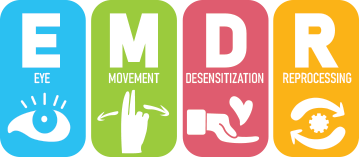
Eye Movement Desensitization and Reprocessing, or EMDR, is a structured therapy approach used to address distressing memories and associated responses.
Treatment includes assessment, preparation, and coping skills before memory processing begins. During processing, the therapist uses bilateral stimulation, such as guided eye movements or alternating taps.
Your therapist will discuss whether EMDR is appropriate for your treatment needs and explain what to expect. Readiness and response to treatment are assessed throughout the process.
Sensory Integration and Regulation Support
Sensory-informed activities may be incorporated into therapy to support body awareness, attention, and emotional regulation.
This approach can help clients identify how sensory experiences affect them and practice strategies for managing overstimulation, restlessness, or difficulty settling.
Activities are selected based on the client’s needs, preferences, and safety considerations. Caregivers may receive guidance on using appropriate regulation strategies at home.
Sensory-informed support is provided within psychotherapy. Specialized sensory assessments and occupational therapy services require an appropriate referral.
Trauma Therapy
Trauma therapy addresses the emotional, behavioral, and relationship effects of painful or overwhelming experiences.
Treatment may focus on:
Recognizing triggers and stress responses.
Managing anxiety and emotional distress.
Developing grounding and coping skills.
Addressing avoidance.
Examining beliefs related to past experiences.
Establishing boundaries.
Processing memories when appropriate.
Treatment is adapted to the client’s age, current functioning, and readiness. For children, caregiver participation may be included to support treatment goals.